As heatwaves become more frequent, keeping our homes cool is no longer simply a matter of comfort. For homeowners, particularly those in homes designed primarily for cold winters, overheating can become a serious problem. Thankfully many of the most effective solutions are passive…
Stop the heat before it gets inside
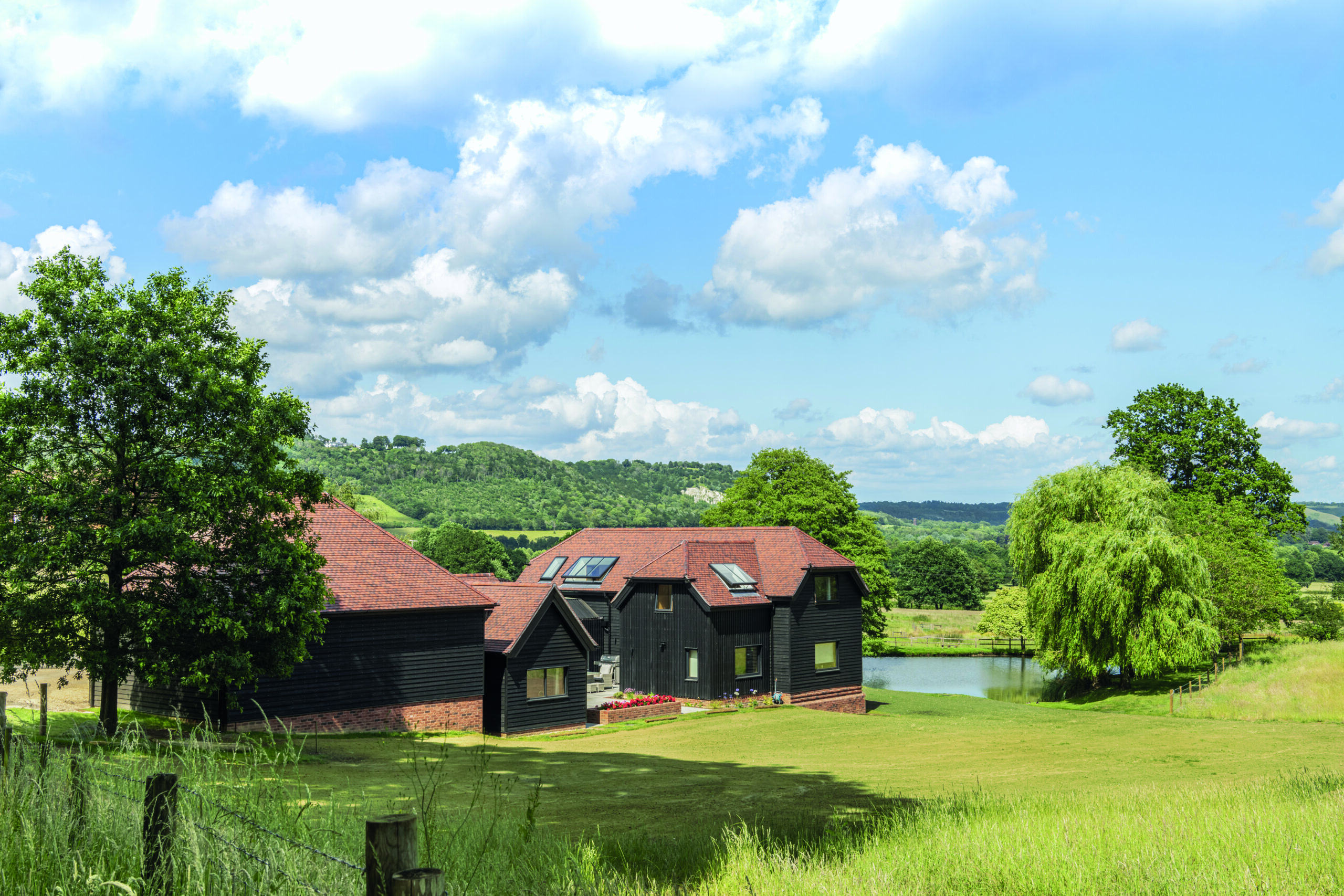
One of the most effective measures is external shading. Awnings, shutters, roof overhangs and carefully positioned trees can prevent sunlight from reaching windows and heating the interior. External shading is more effective than internal blinds because it stops solar energy before it enters the building.
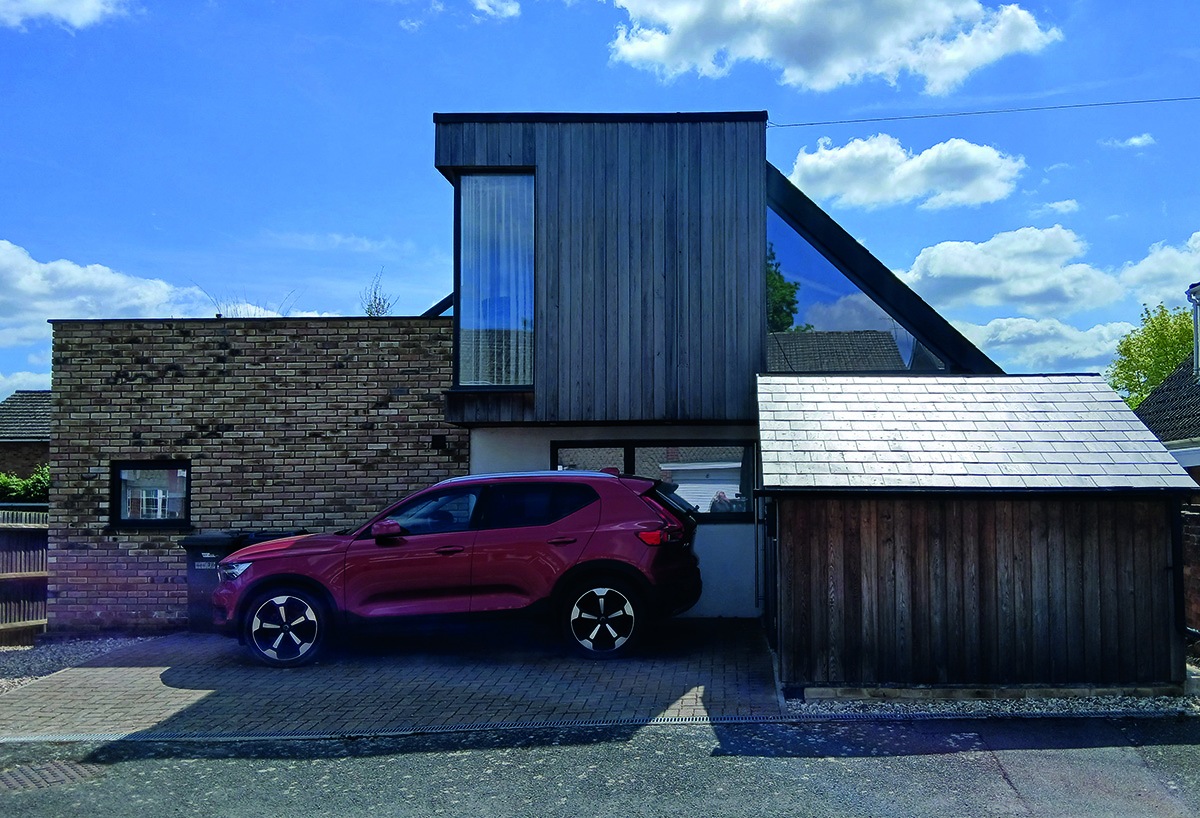
Glazing also needs careful consideration. Large areas of south- or west-facing glass can provide wonderful daylight and views, but can create significant solar gains during summer. When replacing windows or extending a home, consider the size and orientation of glazing alongside its energy performance.
Make ventilation work for you
Good natural ventilation can make a significant difference. Cross-ventilation, where windows on opposite sides of a home allow air to move through, can flush out accumulated heat. High-level openings can also help warm air escape through the stack effect.
If you are renovating or extending your home, overheating should be considered alongside heating, insulation and energy efficiency from the outset
During a heatwave, timing matters. Keep windows and shading closed when outside temperatures are at their highest, then open up in the evening, overnight and early morning when the air is cooler to purge the heat.
Use the building itself
Thermal mass can help moderate indoor temperatures. Church buildings are a good example of how dense materials such as brick and stone can absorb heat during the day and release it later, particularly when the building is ventilated overnight. Just think how cool the inside of a Church is on a hot day. This works best when thermal mass is exposed internally rather than trapped behind layers of finishes.
Insulation is important, too. Although usually associated with keeping homes warm in winter, a well-insulated building envelope slows the rate at which heat enters during hot weather.
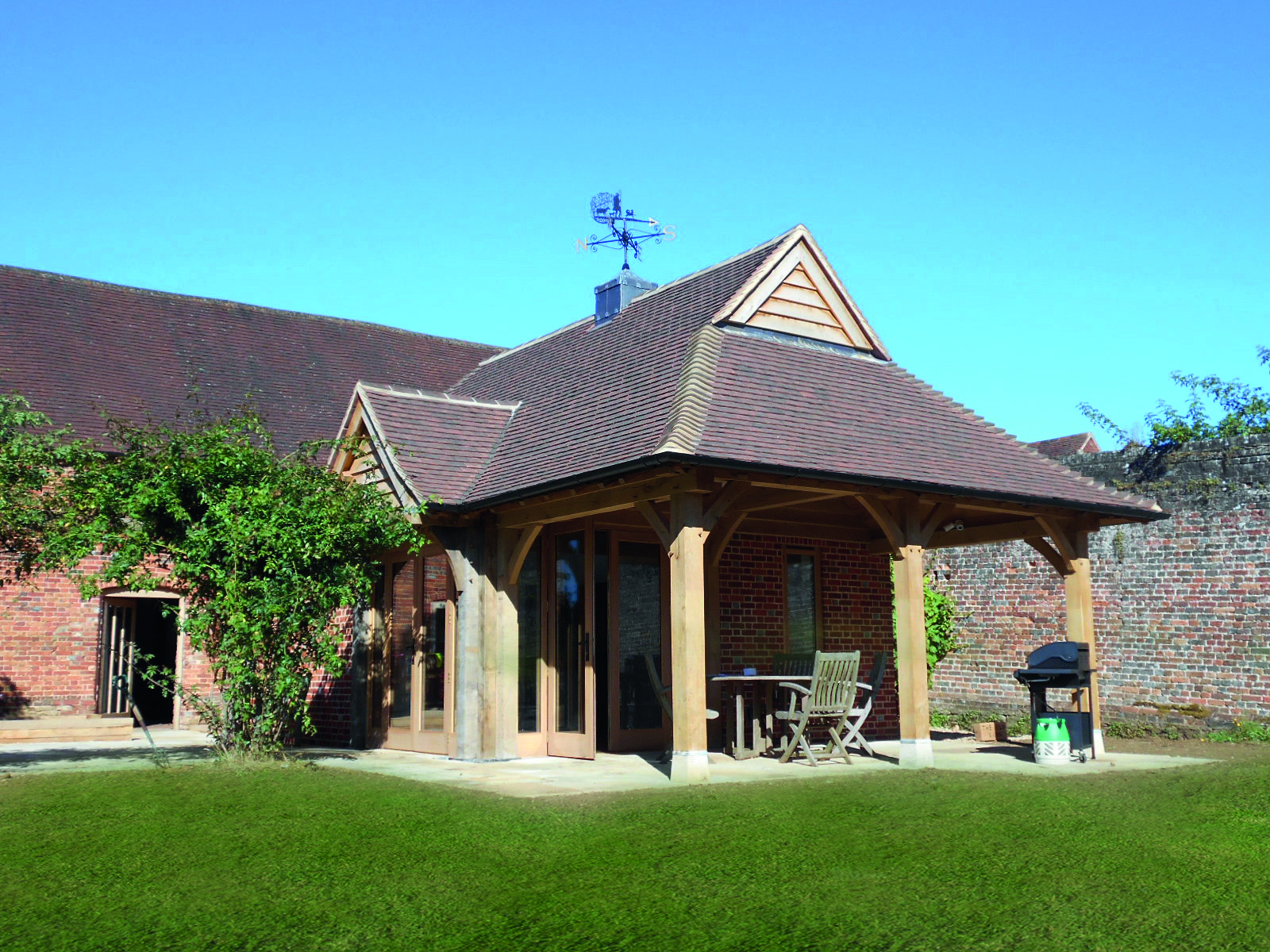

Awnings, shutters, roof overhangs and carefully positioned trees can prevent sunlight from reaching windows and heating the interior.
Think beyond the next heatwave
If you are renovating or extending your home, overheating should be considered alongside heating, insulation and energy efficiency from the outset. Roof design, window placement, shading, ventilation, landscaping and materials all contribute to summer comfort.
The best approach is “fabric first”. Designing a home that stays cooler naturally can reduce reliance on mechanical cooling, lowering energy use and making the house more comfortable—not just during the next heatwave, but throughout its lifetime.
Nye Saunders Ltd, Chartered Architects are located at 3 Church Street, Godalming, Surrey GU7 1EQ
Tel: 01483 418600. info@NyeSaunders.co.uk. www.nyesaunders.co.uk
This article also appears in the autumn edition of Premier Magazine