

Planting styles within well-crafted landscapes unite every design element as one. There are a wide variety of planting styles on offer, each bringing its own array of colourful flowers, natural shapes, and structure.

Turning Japanese
Unified planting schemes and styles create an immersive experience, one fine example is the Japanese garden planting style. Inspired by nature and natural elements, planting harmoniously blends into a minimalist setting creating an ambience of reflection and meditation. Japanese planting enhances nature through careful plant selection and naturalist pruning and training. As seasons change, the Japanese garden comes alive with beauty and colour displaying an array of golden shades.
A Mediterranean outlook
Environmental conditions and landscaping within a garden design are best paired with certain planting styles. Mediterranean planting thrives in humid, dry conditions evoking memories spent abroad, muted tones of patterned tiles with beautiful ornate ceramic pots filled with palms, bay leave trees and ornamental grasses reaching high, dancing in the breeze.

The seaside vibe
A Coastal Garden planting style similarly welcomes dry arid conditions displaying a bright and vibrant mixed medley of colourful flowers nestled into gravel or shingle borders with natural timber and driftwood providing architectural structure and form.
Adding the grandeur of Formal
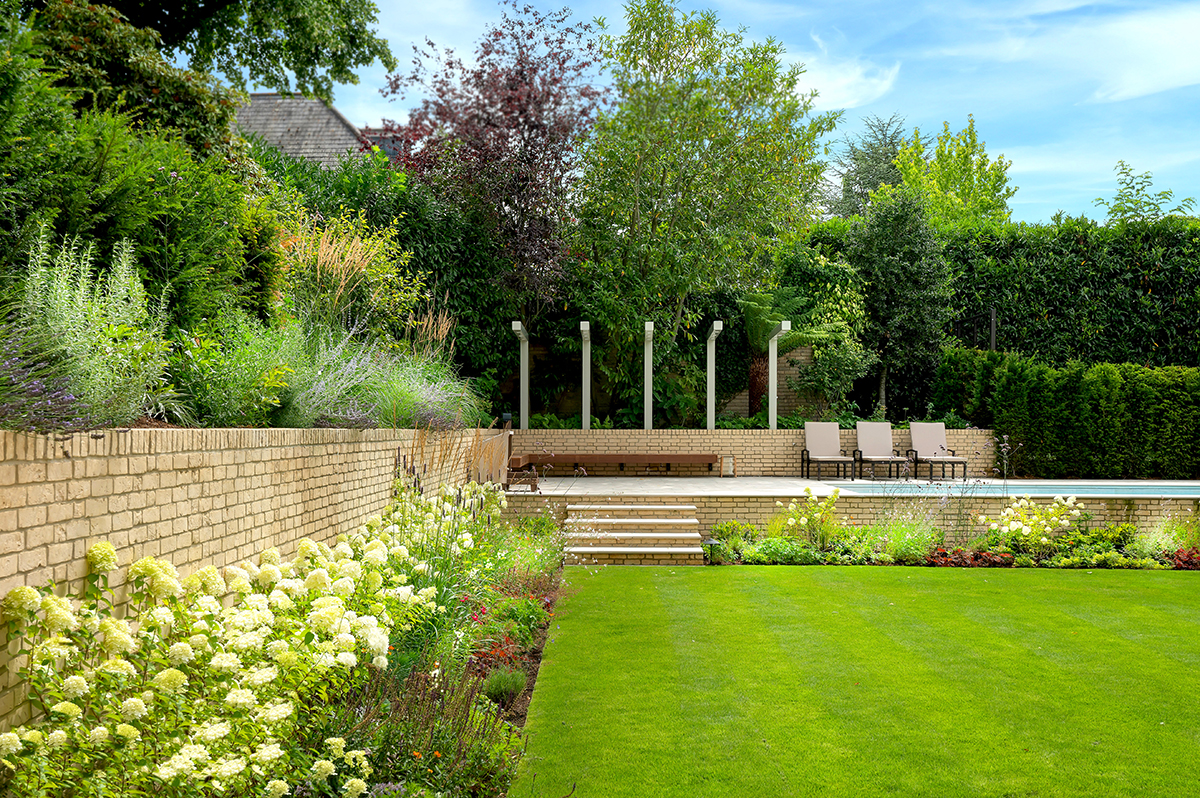
Formal classical planting evokes the grandeur of palaces with classical lines and peaceful garden rooms. Symmetry is key and colours are sober. These traditional planting styles are populated by plants that are manicured and trained into straight lines, and simple geometric shapes to create tranquillity and simplicity. This is commonly achieved with geometric topiary, boxwood hedges and perennials. English country planting takes inspiration from formal classical planting including its use of formal rooms with topiary and boxwood hedges. It then entwines this style with paths of deep herbaceous borders, lawns, atmospheric rose gardens, and walled gardens with climbing plants. The overall feel has classical roots but with a natural rambling romantic twist.
The thoroughly modern space
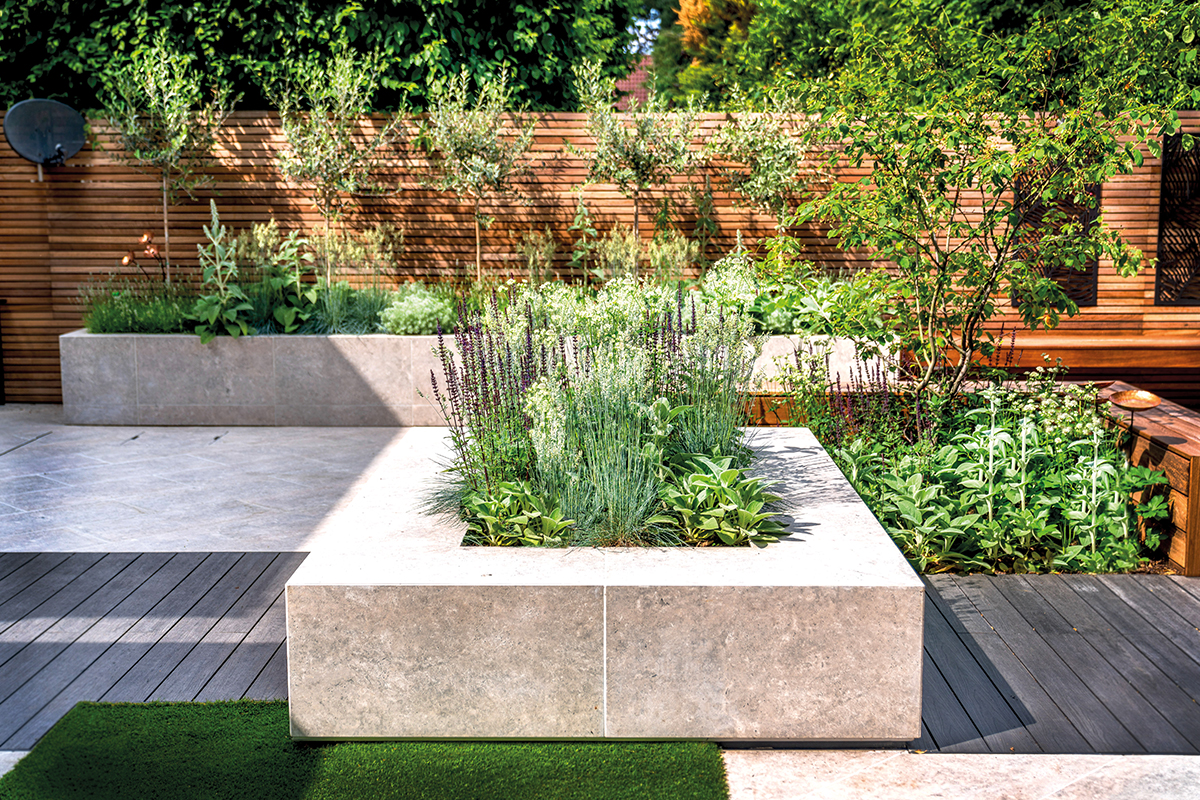
Contemporary planting lends itself to minimalist, sculptural foliage, adding shape and contrast to a garden design. Designers may work with a smaller more selective plant palette. The colour pallet will also be more refined. In contemporary planting the architectural essence of a plant is important. In classical planting plants are often trained or manipulated, in contemporary planting plants are often specifically chosen for their natural form.
Graduate Landscapes Ltd can be contacted on 01428 724080. Or for more inspiration, just visit www.graduatelandscapes.co.uk
This article also appears in the spring edition of Premier Magazine.


